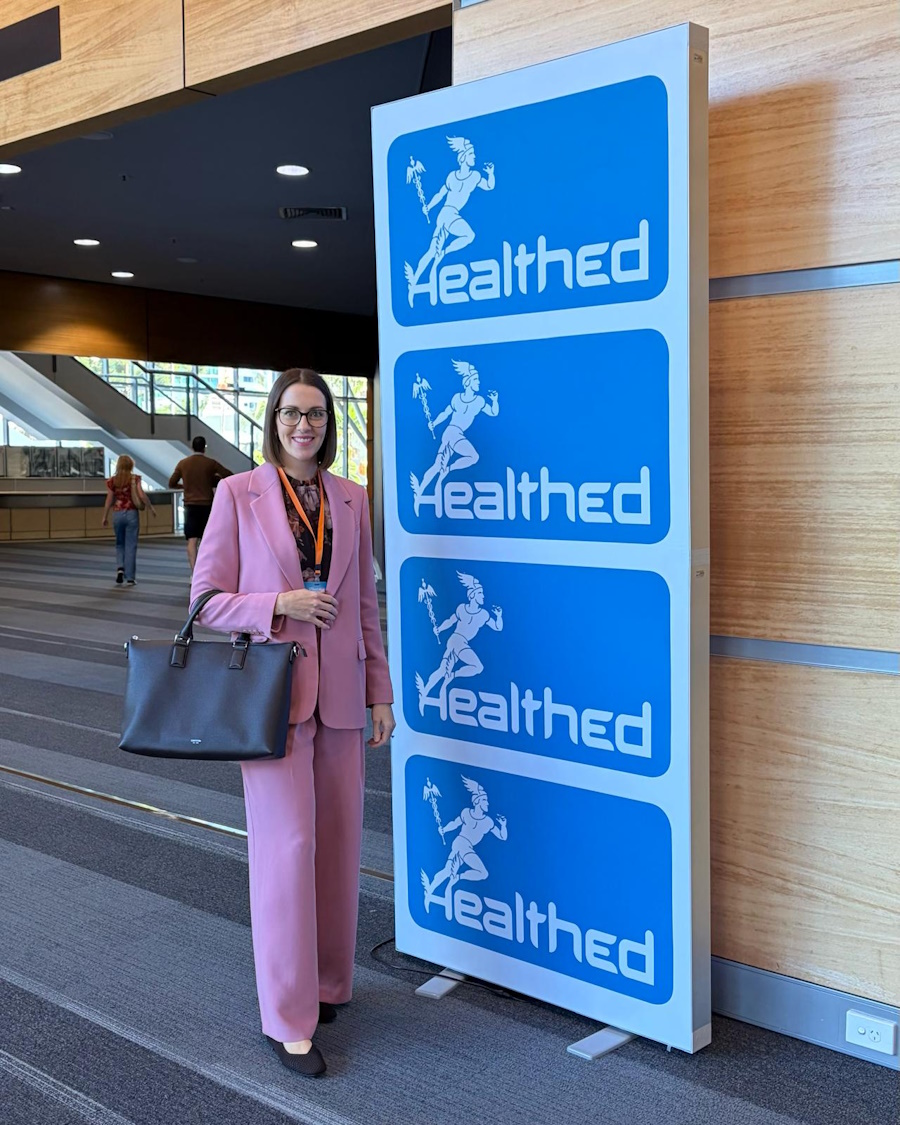
It was a pleasure to present a webinar today at HealthED Brisbane, discussing the newly published SURMOUNT-MAINTAIN trial, published in The Lancet. This study provides the first randomised trial evidence to guide conversations around maintenance of medical therapy following weight loss in people living with obesity.
The first randomised controlled trial to specifically examine what happens after the initial weight loss phase of medical obesity treatment — comparing continued full-dose therapy, reduced-dose therapy, and placebo over an extended maintenance period.
One of the most important aspects of this trial is that it moved beyond the question of how to achieve weight loss and instead explored something clinicians and patients discuss every day: what happens next?
After an initial weight loss phase, participants were either continued on treatment at a full or reduced dose, or switched to placebo. The findings were both clinically relevant and reassuring.
Reduced-dose participants experienced some weight regain — but still maintained more than 16% of their total body weight loss overall. From a metabolic health perspective, this remains a highly meaningful outcome.
Participants transitioned to placebo regained much of their lost weight and experienced reductions in the cardiometabolic benefits achieved during the initial phase. These findings reinforce what we know about obesity as a chronic, relapsing disease requiring long-term management.
The study included a built-in safety mechanism: participants who regained more than 50% of their lost weight were re-initiated on maximum tolerated treatment as rescue therapy. This reflects an important clinical principle — having a plan to respond early when weight regain occurs is essential to quality obesity care.
From a clinical practice perspective, this study is particularly valuable because it provides evidence-based information to support conversations many of us have already been having with patients. Clinicians have been individualising maintenance strategies for some time — balancing clinical outcomes with personal preferences, tolerability, financial considerations, and long-term treatment goals. This trial gives us data to help scaffold those discussions and set realistic expectations.
Importantly, maintenance therapy does not need to be viewed as a one-size-fits-all approach. What this study highlights is the importance of planning for the long term, and recognising that treatment pathways may need to evolve over time. Weight regain is not a sign of personal failure — and weight cycling can have negative health consequences. A considered, proactive plan is far preferable to a reactive one.
As our understanding of obesity continues to evolve, studies such as SURMOUNT-MAINTAIN help to move the conversation away from personal blame and towards more respectful and compassionate care. They also remind us that successful obesity treatment is not simply about achieving weight loss — it is about maintaining health improvements over the long term.
The question is no longer whether these medications work. It's how we use them intelligently, sustainably, and safely over the long term.