- Iron supplements are better absorbed when taken every second day, not daily
- Bariatric surgery alters the gastrointestinal tract, often reducing iron absorption significantly
- Many post-surgical patients cannot maintain healthy iron levels with oral supplements alone
- Iron infusions provide a faster, more reliable way to restore iron stores when oral supplementation isn't enough
Why Iron Absorption Changes After Bariatric Surgery
For patients who have undergone bariatric surgery, the altered gastrointestinal tract can significantly impact nutrient absorption — including iron. Parts of the stomach and small intestine where iron is normally absorbed may be bypassed or reduced in capacity, leading to poor iron uptake even with regular supplementation.
As a result, many post-bariatric surgery patients struggle to maintain healthy iron levels with oral supplements alone. This is one of the most common nutritional challenges following weight loss surgery, and it requires careful monitoring and management.
A Practical Tip: Every Second Day Is Better Than Daily
Did you know that iron supplements are better absorbed when taken every second day rather than daily? This is because the body's natural regulation of iron absorption works more effectively when given breaks between doses — helping boost iron levels more efficiently than continuous daily supplementation.
Worth knowing: If you are taking oral iron supplements, spacing them every 48 hours rather than taking them daily may improve how much iron your body actually absorbs.
When an Iron Infusion May Be Needed
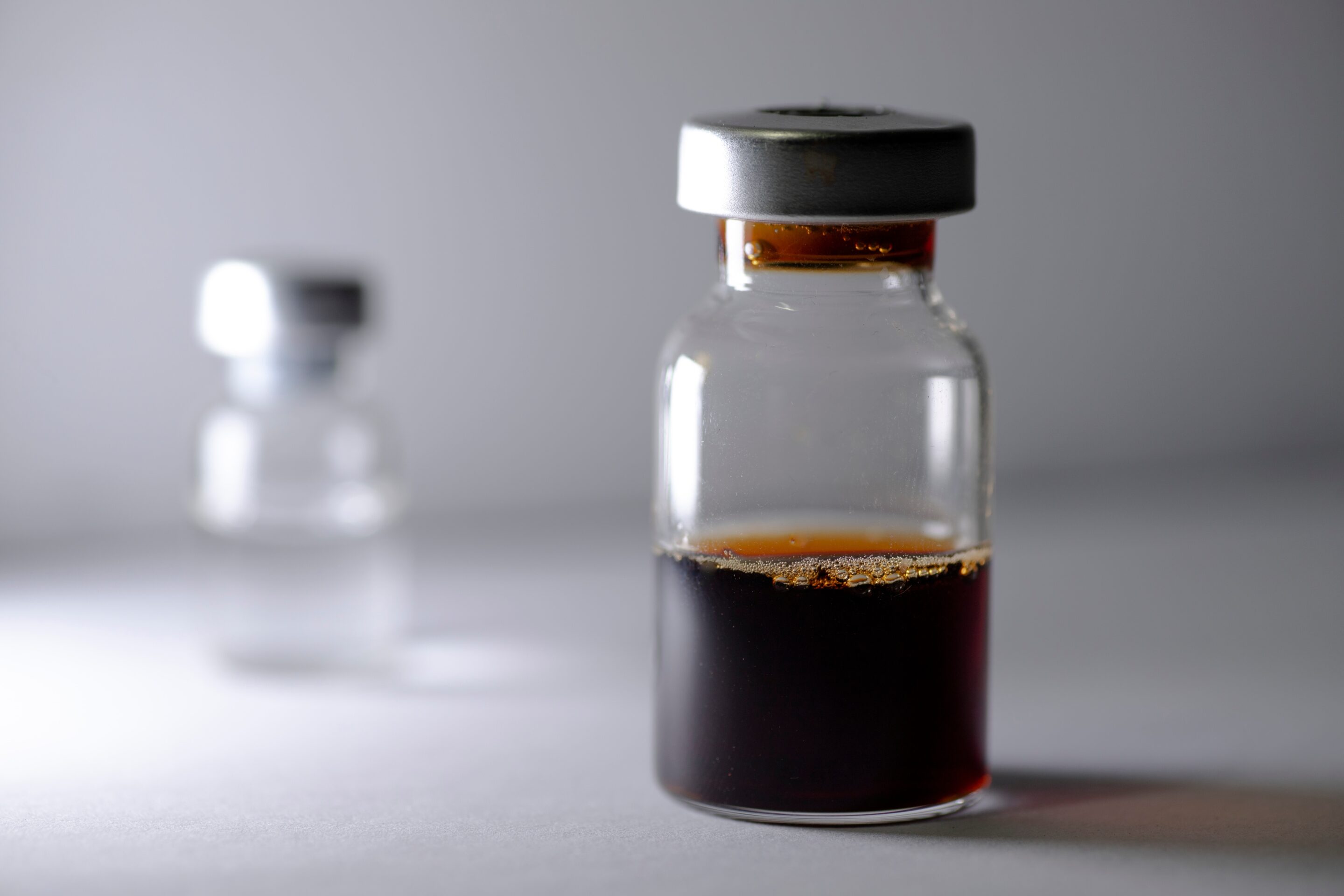
When oral iron supplementation is insufficient — whether due to poor absorption, intolerance of oral tablets, or persistently low iron stores — an intravenous iron infusion may be recommended. An infusion bypasses the gastrointestinal tract entirely, delivering iron directly into the bloodstream for a quicker and more reliable response.
This approach is particularly useful for post-bariatric surgery patients who are unable to adequately replenish iron stores through diet and oral supplements.
Symptoms that may indicate low iron
- Persistent fatigue or low energy
- Weakness or reduced exercise tolerance
- Pale skin or pale inner eyelids
- Shortness of breath with mild activity
- Brain fog or difficulty concentrating
- Hair thinning or increased hair loss
If you are experiencing any of these symptoms after bariatric surgery, speak to your MedSurg Weight Loss doctor or dietitian about whether your iron levels should be checked and whether an infusion could help.
Medical disclaimer: This article is for general informational purposes only and does not constitute medical advice. Iron deficiency should be confirmed by blood tests before commencing treatment. Please consult your treating doctor before making changes to your supplementation.