

At MedSurg Weight Loss, our exercise physiology service supports adults of all ages seeking to improve strength, metabolic health, body composition and long-term physical function.
Whether you are managing weight gain, chronic health conditions, hormonal changes, joint instability or reduced mobility, our Accredited Exercise Physiologist provides structured, evidence-based exercise programs tailored to your individual needs.
As part of a medically supervised, multidisciplinary clinic, exercise programs are aligned with your broader care plan and designed for safety, sustainability and measurable outcomes.
We know starting exercise can feel daunting, especially with pain, injuries or medical concerns. Our aim is to make you feel safe, supported, and confident as you reintroduce movement—one step at a time.
Exercise Physiologists are university-trained allied health professionals who use exercise as medicine. They assess your fitness, movement, and medical history to prescribe safe, effective exercise suited to your goals.
Working closely with our doctors, dietitians, and psychologists, our Exercise Physiologist ensures your plan is holistic and personalised.
Appointments are offered in person or via Telehealth, with potential rebates through Medicare, DVA, and private health funds.
What to Expect from Your First Consultation
Your initial consultation will include a detailed assessment of your current physical activity levels, mobility, health conditions, injuries, and goals. You’ll be asked about your exercise history, barriers, preferences, and any concerns you may have. Together, we’ll develop a tailored exercise plan that may include:
Your plan will be adjusted as you progress and as your needs evolve. Our Exercise Physiologist provides regular reviews, education, and encouragement to help you stay on track.
Exercise Physiology for Weight Loss & Metabolic Health
Exercise physiology plays a key role in medically supervised weight management.
Programs are designed to:
Rather than relying solely on high-volume cardio, we prioritise progressive strength-based training to improve body composition and overall metabolic health.
Hormonal changes during perimenopause and menopause can significantly affect muscle mass, bone density, insulin sensitivity and fat distribution.
Our approach to exercise physiology for menopause focuses on:
This structured approach supports weight management, metabolic health and long-term resilience during hormonal transition.


We support individuals living with hypermobility conditions, including Ehlers–Danlos syndrome and generalised joint instability.
Exercise programs are designed to:
Our approach emphasises controlled strengthening and progressive loading while protecting vulnerable joints.
Targeted exercise may assist individuals experiencing:
Programs focus on restoring deep core control, improving pelvic support and rebuilding confidence with movement in a safe and structured way.

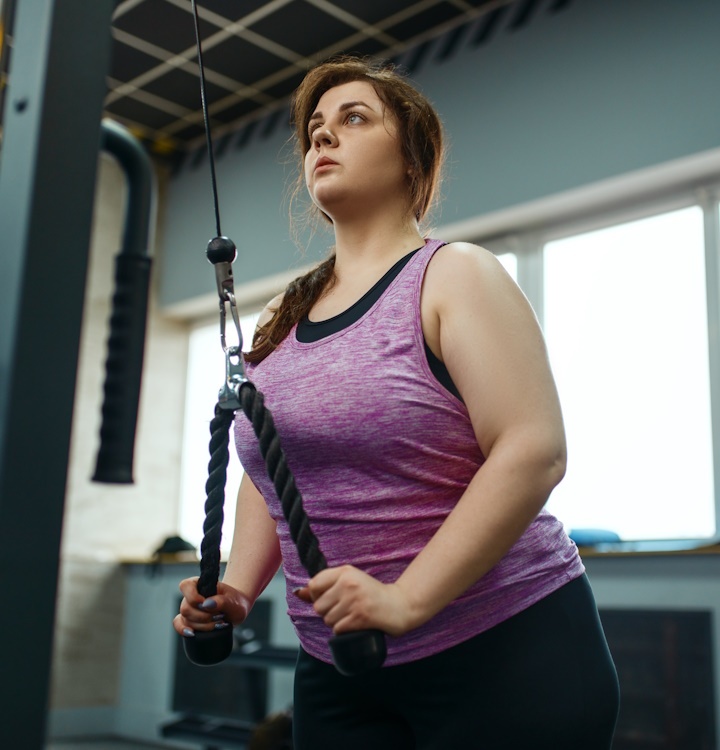
Exercise plays a critical role in long-term weight management and overall health. But contrary to popular belief, you don’t need to be “fit” to start. Our Exercise Physiologist will meet you where you are and help you build a plan that works for you—not just in theory, but in real life.
We focus on:
Even small increases in daily movement can improve how your body regulates blood sugar, processes food, and uses energy. It’s not about burning calories—it’s about creating lasting change.
Not at all! Our Exercise Physiologist works with people of all fitness levels and will tailor the program to suit your current ability. The goal is to make movement accessible, achievable, and enjoyable.
Exercise physiology involves clinical assessment and evidence-based exercise prescription tailored to individuals with medical conditions or complex health concerns.
Unlike general fitness programs, exercise prescriptions are designed with consideration of your medical history, hormonal stage and broader treatment plan.
Yes. Weight gain during menopause is often linked to hormonal shifts, changes in muscle mass and reduced insulin sensitivity.
A targeted exercise physiology program can help preserve lean muscle, improve metabolic function and support sustainable fat loss as part of a medically supervised weight management plan.
Exercise physiology for menopause involves structured, clinically prescribed exercise designed to address the effects of hormonal change on muscle mass, bone density, metabolism and body composition.
Programs typically prioritise progressive strength training, bone-loading exercise and metabolic conditioning to support weight management and long-term health during perimenopause and menopause.
Yes. Structured exercise may assist individuals experiencing pelvic floor dysfunction, diastasis recti (DRAM) or urinary incontinence.
Programs focus on rebuilding deep core strength and improving pelvic stability in a safe and progressive manner.
Yes. Exercise physiology can support individuals with hypermobility conditions, including Ehlers–Danlos syndrome.
Programs are designed to improve joint stability, enhance muscle support and reduce injury risk through controlled, progressive strengthening.
You do not need a referral to book an appointment. However, if you are eligible for a Medicare Team Care Arrangement, a referral from your GP may allow you to claim a rebate.
Yes, Telehealth appointments are available if you prefer to see us from home. These sessions include education, guidance, and home-based exercise programming.
Yes. You’ll receive a personalised program and advice to follow between appointments. Your progress will be reviewed regularly to keep things on track and evolving.